Some professions permanently change the way you see a city. For a location manager, a building is never just a building, an abandoned factory is not necessarily a ruin, and a place whose owner says, “You won’t find anything interesting here,” may turn out to be exactly what a film crew has been searching for for months.
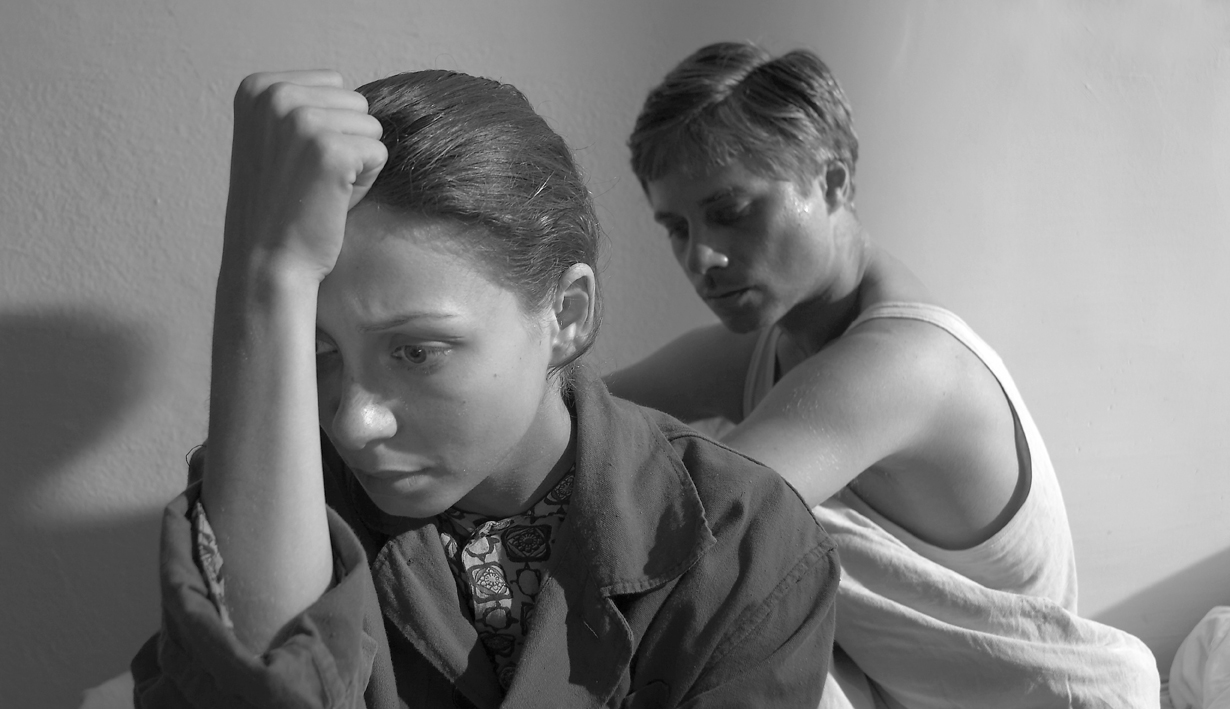
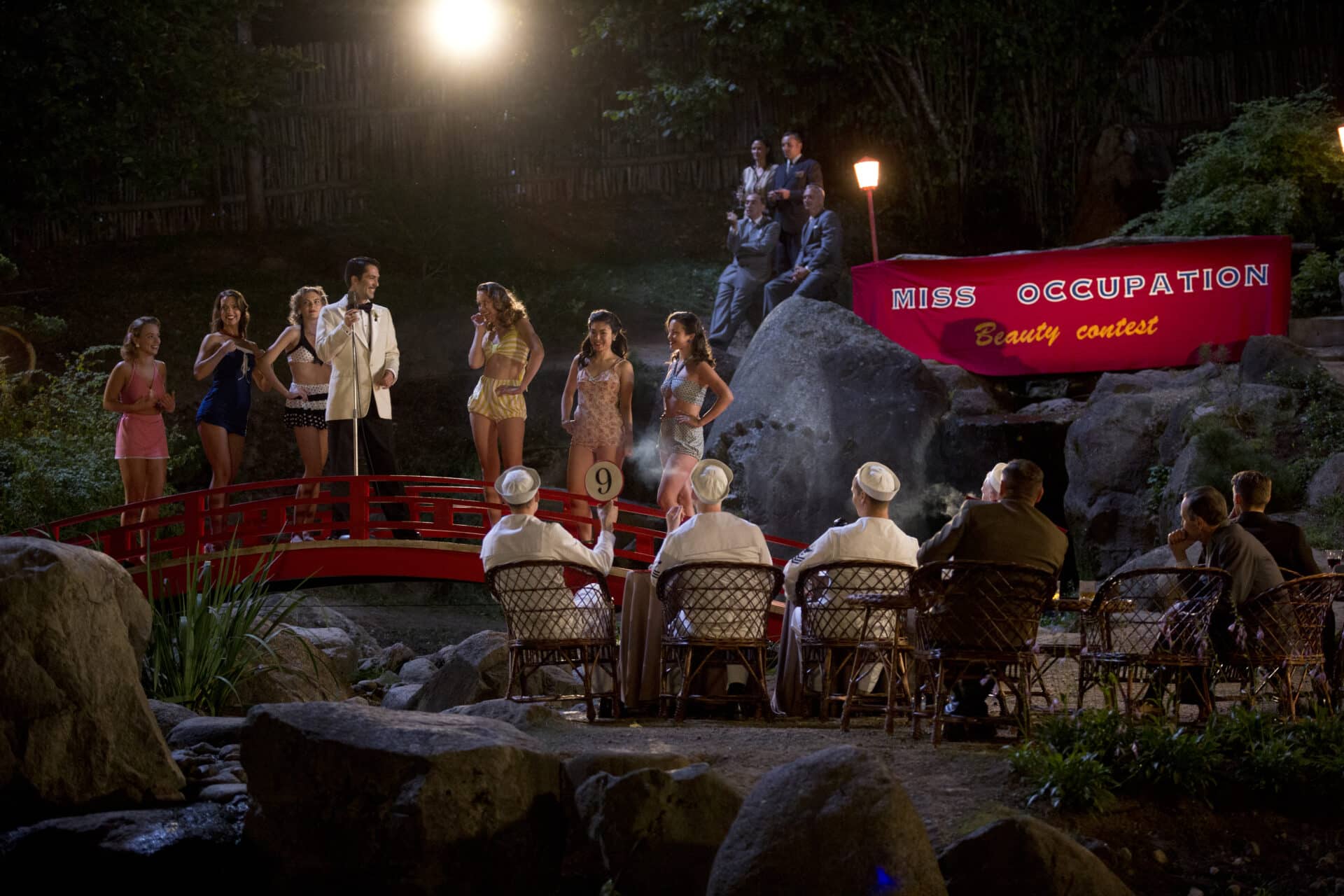
For Vytautas Riabovas, seeing his surroundings this way comes with years of working in the film industry. As a location manager, he has worked on international productions including Stranger Things, Catherine the Great, Tokyo Trial, Clark and Hilma, as well as the co-productions Renovation and Vesna, and Saulius Baradinskas’ upcoming feature musical Concrete Music.
Over the years, his professional map has expanded far beyond Vilnius to encompass locations across Lithuania – from Lukiškės Prison to Pažaislis Monastery, from Villa Auska in Palanga to a limestone quarry. But finding the right location is only a small part of the job. Once a place has been chosen, negotiations and permits follow, along with the challenge of balancing the creative team’s ambitions with what is actually possible – and sometimes finding common ground between people from completely different worlds.
We spoke to location manager Vytautas Riabovas about the occupational hazard that makes his eyes drift away from the actors and towards the locations behind them, a location he waited ten years to finally use and which audiences will only see in 2028, and the places whose true potential is sometimes first recognised by people working in film.
– They say that once you have worked as a location manager, you never look at a city like an ordinary resident again. How do you see your surroundings these days? Can you still simply go for a walk without assessing every building or street as a potential filming location?
V. Riabovas: – I can now. I think that after doing this job for a long time, you gradually learn to live with it and allow yourself not to think about work so much in your free time. Especially when walking around Vilnius – I already know most places very well and have filmed in many of them.
Of course, when I visit other places in Lithuania or abroad, I still often catch myself thinking how amazing it would be to film in a particular location.
The biggest problem starts when I watch films or series shot in Lithuania. That is where the occupational hazard really kicks in – I often pay more attention to the locations behind the actors and the work of the art department than to the acting itself. I have to admit, watching films made in Lithuania can sometimes be quite a challenge for me.
– Have you ever stumbled upon the perfect location completely by accident – not while scouting, but simply while driving, travelling or stopping somewhere for a coffee?
V. Riabovas: – It has definitely happened. And, as a rule, it usually happens after the project for which you spent ages searching for THAT one perfect location has already wrapped. Filming is over, and suddenly you discover exactly the place you had been missing all along. And it turns out it was right under your nose.
Quite often, location owners themselves do not realise what kind of treasure they have. Abandoned and unused places can be real gems and add enormous value to a film. Their owners sometimes say, “You won’t find anything interesting here,” but if you look at the place through different eyes and adapt it for filming, you can create something truly impressive.
I am always very happy when we gain access to places that “open up” to filming after they cease their original operations – factories, medical facilities and similar sites.
– How much of choosing a location is a rational decision, and how much is intuition? Are there moments when you simply feel: “This is the place”?
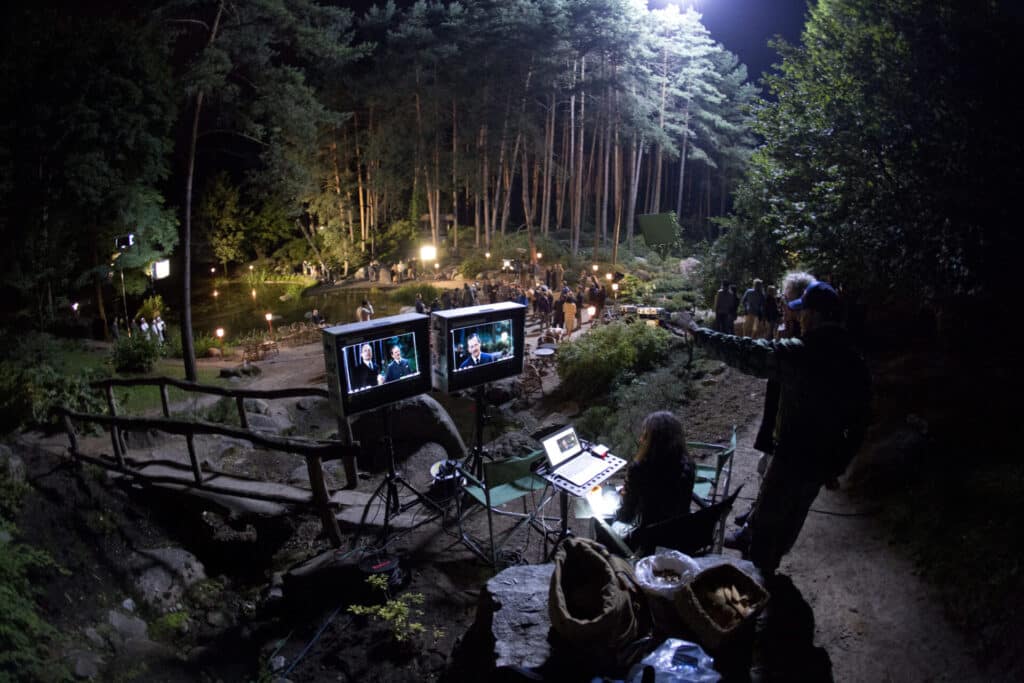
V. Riabovas: – Collaboration with the entire creative team – the director, cinematographer and art department – is extremely important. Even a beautiful location that is creatively perfect for the project can come with so many restrictions that filming there becomes incredibly complicated. That is why we always have to assess the risks and determine what can realistically be done in terms of preparing and adapting a location for filming.
We really value locations that offer greater creative freedom and more possibilities for adaptation. Of course, all such work is agreed upon in detail in advance and confirmed in writing. We also take great responsibility for restoring locations – once filming is finished, we return them to their owners in proper condition.
– You have worked on international productions such as Stranger Things, Catherine the Great, Clark and Tokyo Trial, as well as co-productions including Renovation and Concrete Music. Do you notice foreign directors paying attention to completely different places in Vilnius than Lithuanian directors do?
V. Riabovas: – I wouldn’t agree with that. Every director has their own vision and wants to achieve the best possible result. Of course, different budgets can create different possibilities when it comes to choosing locations.
Personally, I never divide projects into Lithuanian and international ones. I always try to secure the best possible conditions and opportunities for the work to be done, because for every director, their film is the most important one.
What I really appreciate when working on Lithuanian films is that location owners often take this into account and offer lower rental rates themselves. In this way, they support Lithuanian productions, understanding that every project has a different budget and different possibilities, while everyone is still aiming for the best possible result.
– Which location has surprised you the most throughout your career? Not necessarily the most beautiful one – perhaps a place that became an entirely different world on screen.
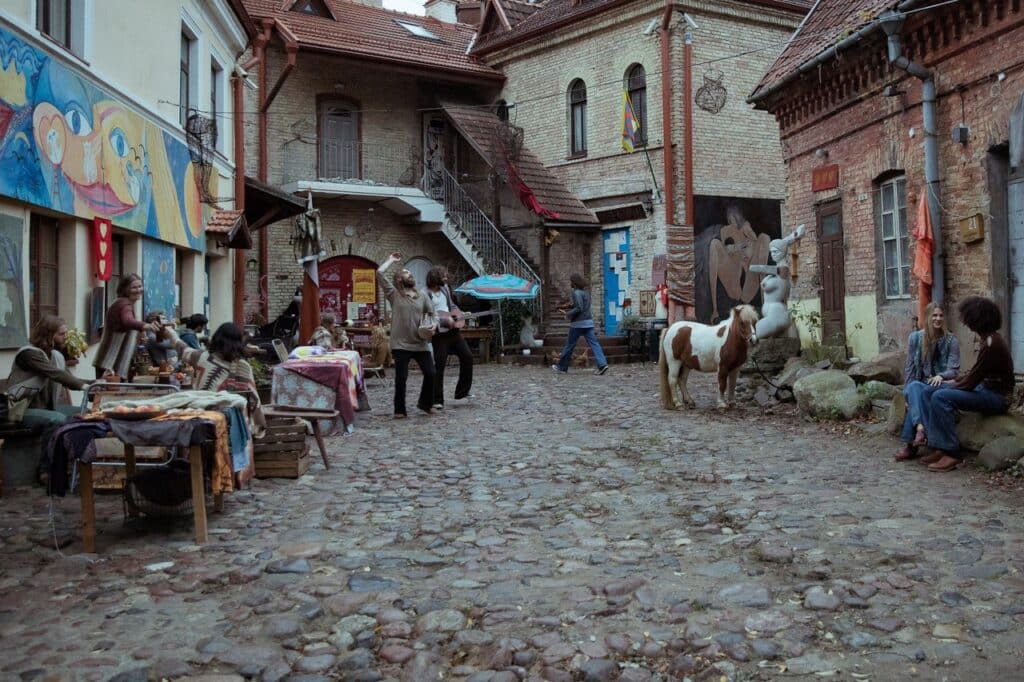
V. Riabovas: – It is difficult to choose just one. Some of the places that have made the biggest impression on me are Villa Auska in Palanga, the Pažaislis Monastery complex and church, the now-demolished Didžiasalis brick factory, the Palemonas brick factory in Kaunas, the Karpėnai limestone quarry and Lukiškės Prison.
Very often, it is the creative team that creates that “other world”. The same location can look completely different in different productions – sometimes you cannot even recognise it on screen.
– Sometimes locations seem to become characters in their own right. How do you distinguish a place that is simply beautiful from one that actually tells a story?
V. Riabovas: – I think that after working for many years and gaining experience, you develop a certain instinct and start looking at locations differently. Sometimes you simply find a place and immediately see that it feels as though it was made for a particular director’s vision.
– Are there places that seem completely ordinary in real life, but that the camera simply “falls in love” with?
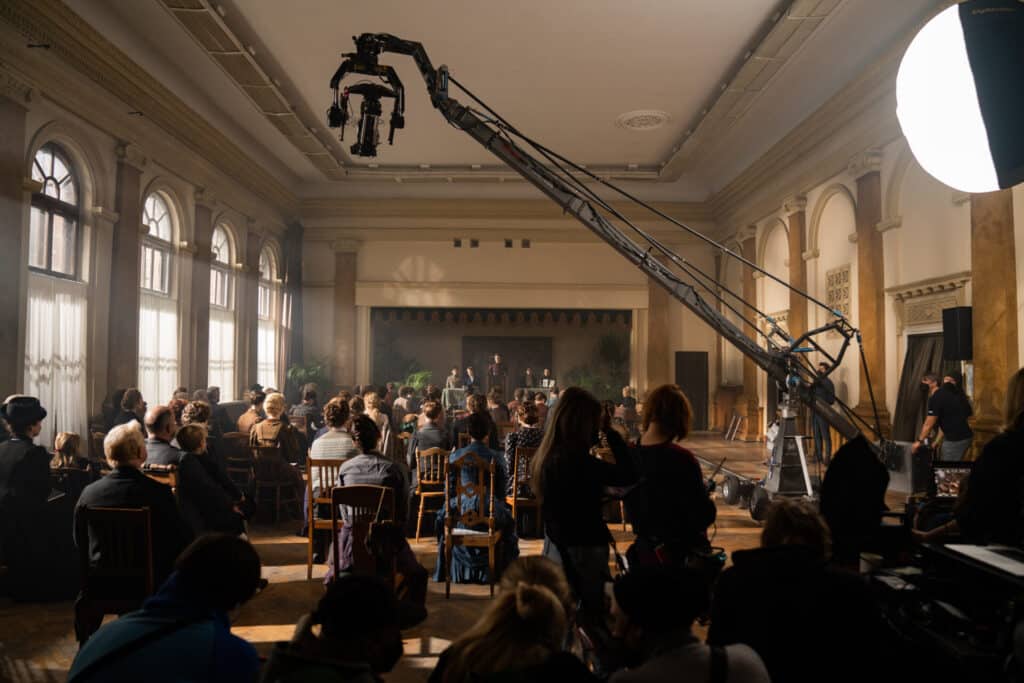
V. Riabovas: – Absolutely. We work with top-level professionals who can transform even the most ordinary locations into something special, while cinematographers can shoot them from angles that create a truly impressive image.
As technology develops, computer-generated imagery is also being used more and more, sometimes allowing us to create things that seem almost impossible.
– How important is psychology in a location manager’s work? You have to speak to residents, institutions and businesses and convince people to let a film crew into their spaces. Does it sometimes feel as though you are not only coordinating a shoot, but also bringing together completely different worlds?
V. Riabovas: – I think it is one of the key aspects of the job. A location manager is always the intermediary between the creative team and the location owners. Very often, you have to find solutions that work for both sides while maintaining a good relationship.
Different locations have different rules and expectations. You have to adapt to them while also making it possible for the film crew to do its job.
Sometimes you find yourself in tense situations where problems have to be solved on the spot. In those moments, keeping a cool head and finding constructive solutions is the only way forward.
– Working on major international productions means keeping a lot of secrets. Have there been situations where you had to pretend that the film crew was there for a completely different reason?
V. Riabovas: – Both international and Lithuanian productions have strict confidentiality rules. When scouting public places, we often avoid explaining exactly why we are looking at them so as not to create unnecessary attention.
However, once a decision has been made to film at a particular location, I never lie or conceal information about the project. In such cases, location owners sign an NDA (Non-disclosure agreement ed.), formally committing themselves not to disclose confidential information about the project.
– If you could show one place in Vilnius to a director who had never been here before, which one would you choose?
V. Riabovas: – It would be very difficult to single out just one. Vilnius has many impressive places that reveal themselves differently in different productions. But if I had to choose one, it would be Lukiškės Prison.
– Is there a location that you had never managed to use in a project, even though for years you knew it would be perfect for a film?
V. Riabovas: – That question comes at exactly the right time! There is one location I had dreamed of using for perhaps ten years, and just a few weeks ago it finally happened.
Unfortunately, because of confidentiality obligations, I cannot reveal what the location is, but it was definitely worth the wait.
You will be able to see it for yourselves in 2028.
– When you watch a film after its premiere, do you still see the story, or do you first remember everything that happened behind the scenes – the negotiations, the scouting, the people?
V. Riabovas: – At premieres of films I have worked on, I can usually distance myself from the technical side and simply enjoy the result. It is wonderful to see something you worked on for several months take visual form and become a work of art.
Of course, there are times when you can advise the director and creative team that a particular location would offer better conditions and more creative freedom, and in that way have some influence on their final choice. In those cases, it is fascinating to think afterwards about how the final result might have looked if a different location had been chosen.
– Over the years, you have probably built up a kind of “invisible map of Lithuania” in your head – places that are still waiting for their film. Do you think Lithuania still has undiscovered locations capable of surprising the international film industry?
V. Riabovas: – I agree, that map definitely exists in my head. And there are certainly still undiscovered locations.
Lithuania is changing rapidly, with many new, modern and contemporary spaces appearing. At the same time, institutions that once operated in certain buildings close down, creating new locations that previously would have been completely inaccessible.
– If you had to explain in one sentence what a location manager actually does to someone who knows nothing about the profession, what would you say?
V. Riabovas: – It is an incredibly interesting and challenging job that requires strong management, organisational and planning skills. But above all, it requires responsibility and creativity.
It is a job where you are constantly surrounded by very different people, and you have to find the right way to communicate with each of them. I still believe that sincerity is the key to success.
– Thank you for the conversation!
Photo by ArtBox