The Vilnius Film Office presents a series of reportages titled Films that changed the history of Lithuanian cinema. Through conversations with directors, actors, and contemporaries, it reveals not only events of the past, but also the inner maturation of the industry – how far we have come over 35 years of independence, which films marked turning points, and which became bridges to the wider world. Major awards, the first international projects in Lithuania, bold themes, twists of history, and the determination to speak a different cinematic language – this is a story about a cinema that grew alongside Lithuania.
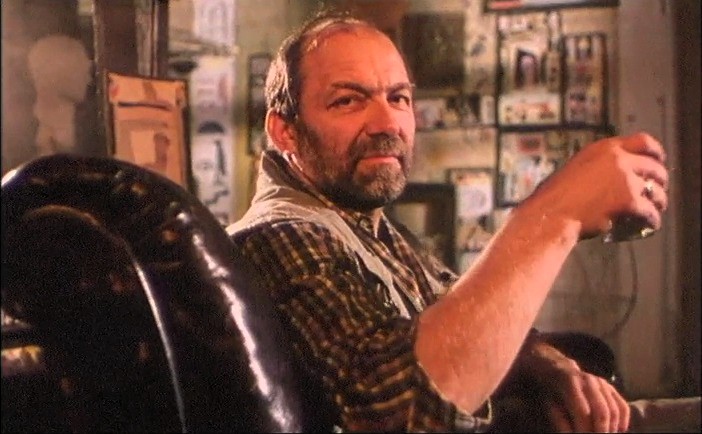
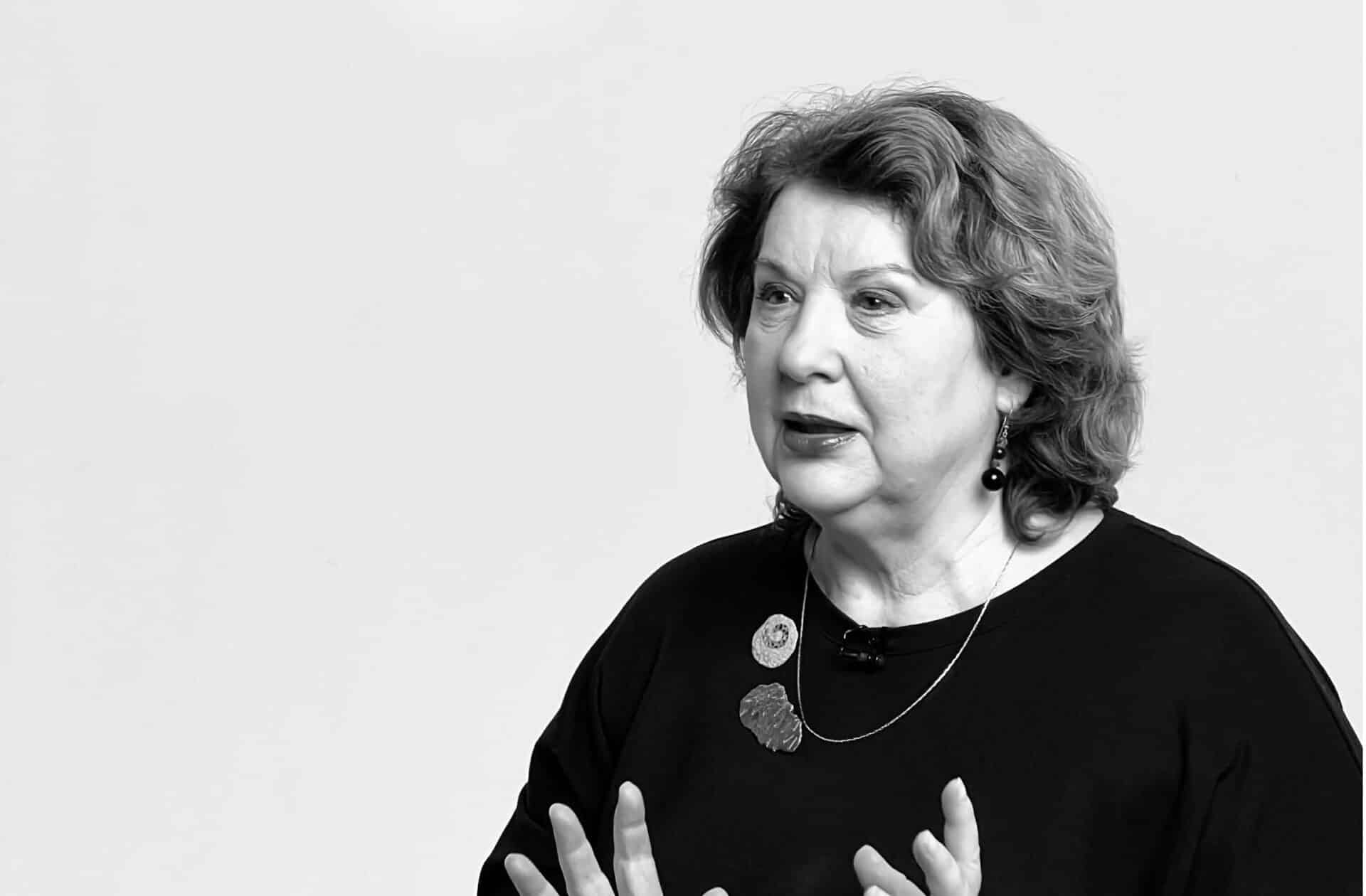
In 2002, Lithuanian cinema screens premiered director Kristijonas Vildžiūnas’s first feature-length fiction film, The Lease. Director K. Vildžiūnas and actress Larisa Kalpokaitė share their insights on how the film evolved from a short to a feature, the kinds of experiments the actors embraced, how L. Kalpokaitė interprets the film through color, and its reception at the Venice Film Festival.
The director recalls that the initial plan was to create a short film, but driven by creative exploration, he chose to take a risk and debut with a full-length feature. “This wasn’t just a whim. During filming, Larisa and I began shaping a character that was growing beyond the narrative framework of a short film. It exceeded everything a short film could express,” he says.
Speaking about the two stages of the film’s production, K. Vildžiūnas admits that his own perfectionism and stubbornness brought challenges, including a two-year break. L. Kalpokaitė, who played the film’s lead role, remembers this as well: “At first, we filmed in ‘Kablys’, where the interior of my character’s apartment was set up. All the walls were painted a greyish blue. After the break, we filmed in the streets and in cafés – more locations appeared. That became the film’s colorful part. No longer a bluish haze in the apartment, but a colorful life.”
The bluish haze not only separates the two filming stages but also hints at a dream. “It’s as if everything is wrapped in a veil of mystery. It happened, yet it didn’t. It feels like it did, yet maybe it didn’t. A kind of existence on the edge,”- L. Kalpokaitė recalls.
“This entire era carried the idea that you could do anything you wanted. The film explores the conflict between external freedom and a post-Soviet freeze – the inability to be free internally. This is revealed through Larisa’s character. She sought to break free from oppressive circumstances, but the path is long and full of illusions. The film attempts to portray those illusions—not realistically, but as a metaphor of a dream-like life,” the director adds.
For L. Kalpokaitė, The Lease marked an important turning point – it was one of her first experiences in cinema. “I was forty years old. I got this role completely unexpectedly. Of course, it was a great joy- what actor doesn’t dream of being in a film? Cinema is a separate art form, closely related to theatre, yet in practice very different. Throughout the entire shoot, I was surrounded by universal love. That doesn’t happen in theatre,” she admits.
Recalling the creative process, L. Kalpokaitė smiles: “Kristijonas carried out all sorts of experiments with us. We gave in to them very easily, especially me. I found it incredibly interesting. At first, before filming, I had to meditate properly, but later it was enough to lean against a wall, close my eyes, and I could step straight into the scene.”
“Sometimes I thought he was making a film about his mother. There was an interesting moment during filming – his mother came to the set and sat quietly in a corner, watching us rehearse a scene. Then I glanced at her and saw her nod to Kristijonas. That’s when I thought – maybe this really is about his mother,” – L. Kalpokaitė shares.
However, K. Vildžiūnas insists that all his films are, in part, about himself: “Larisa played me, even though she is a woman. All those questions were deeply relevant to me: what is external freedom, and what is internal unfreedom? I clearly felt limitations within myself, even though around me there were already prospects of an easier, freer, smoother external life. That’s probably why this film is so personal to me and deeply experienced from within. That’s why it is so dear to me.”
Asked how audiences received the film, the director admits that many films of that time faced heavy criticism. “The funding was minimal, the market was small. And when a film is released, it is expected to fulfill everyone’s expectations – because everyone wants to see their own vision in it. Films were often attacked. I think this was because our film industry was still developing.
This film was received rather negatively by both younger and older audiences. Perhaps the only thing that saved its reputation in Lithuania was the Venice Film Festival,” – K. Vildžiūnas reflects.
L. Kalpokaitė recalls the amazement that accompanied the creative team throughout their journey at the festival: “Our film was received incredibly warmly in Venice. It was screened at a very inconvenient time, yet when we arrived and saw a full hall, about two thousand people… and no one left. My first autographs were signed there.”
Photograph from the studio by Kostas Kajėnas