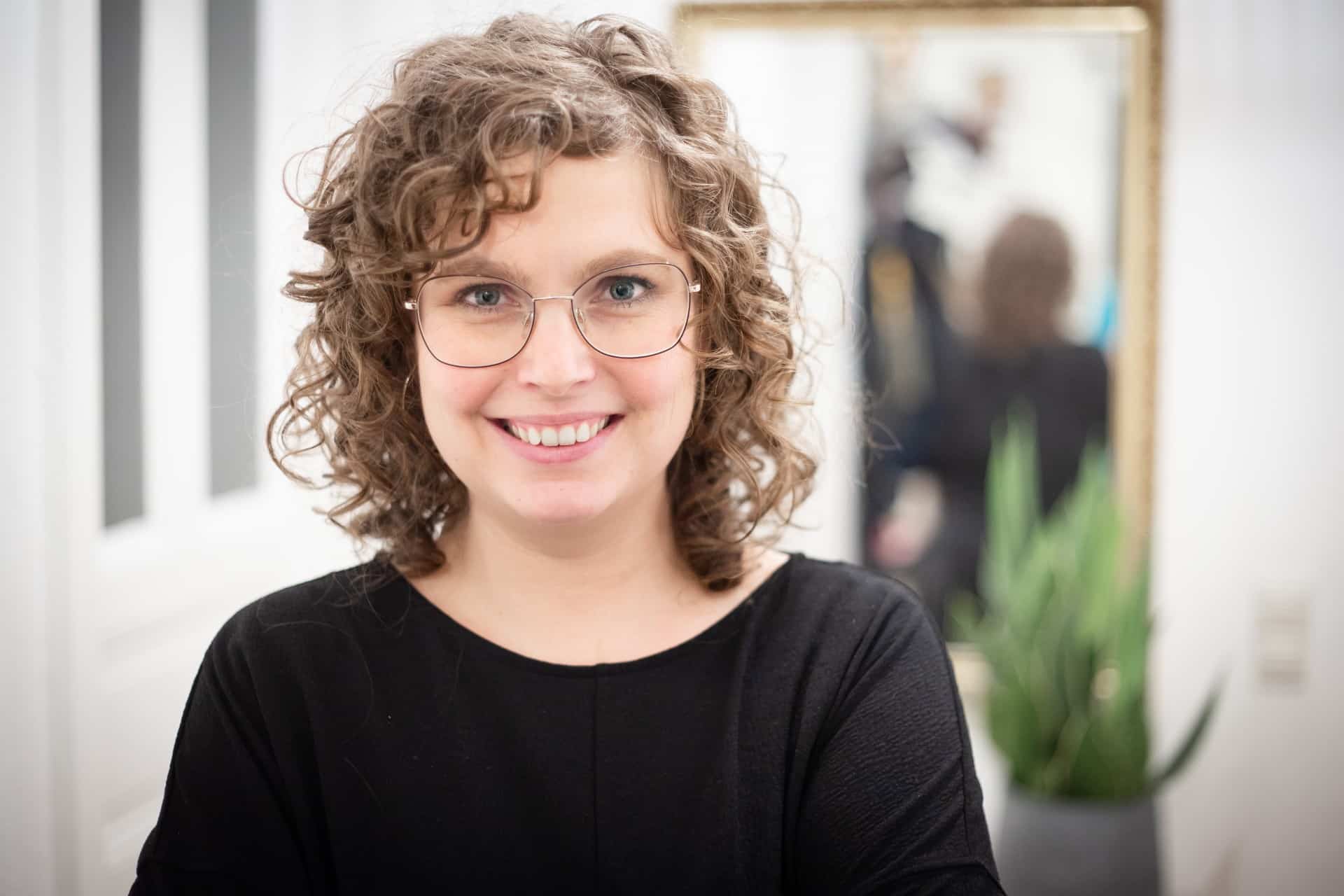
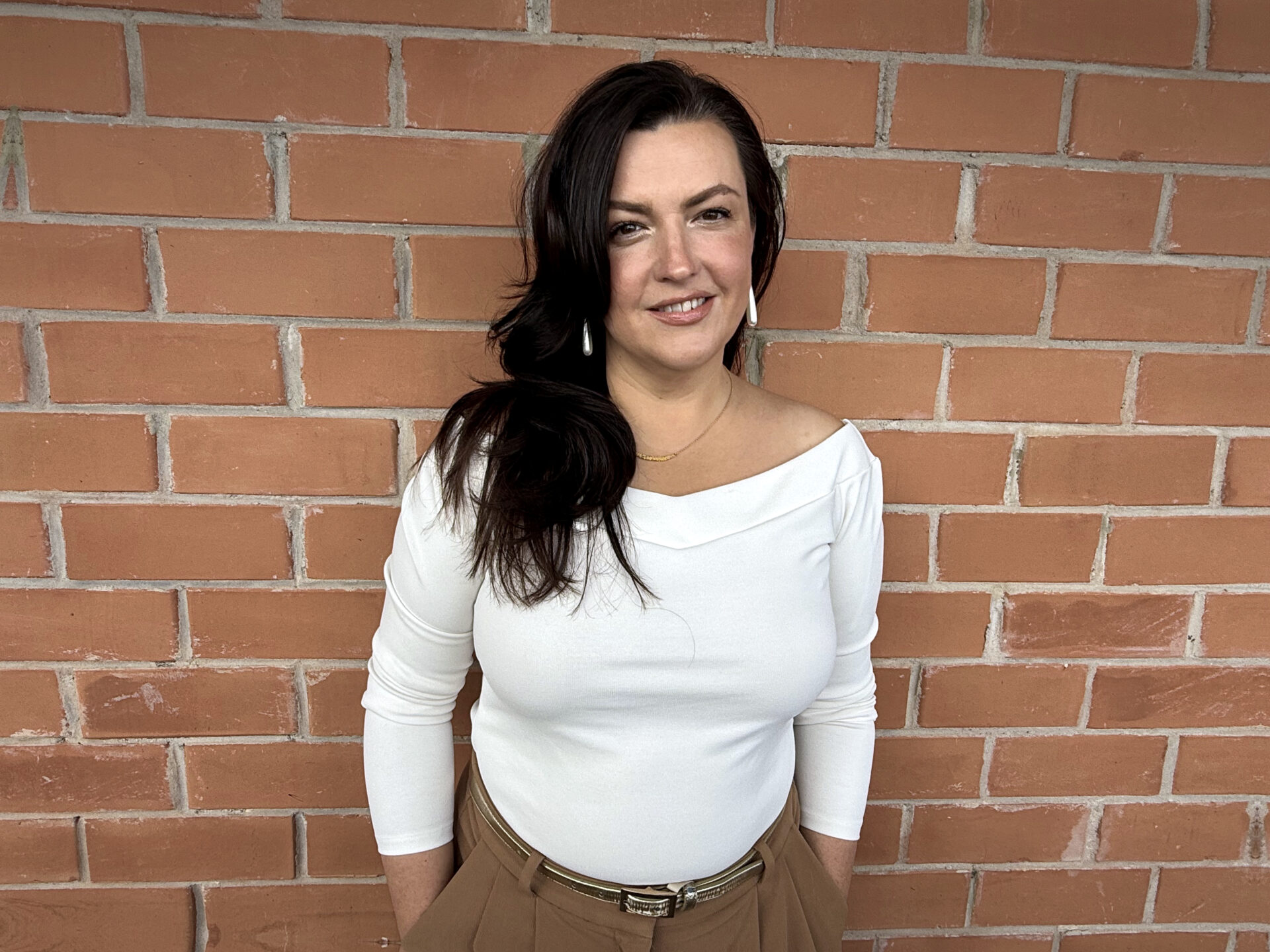
Morten Jacobsen is a special effects makeup artist who has worked in the film industry since 1988. Over his career, he has contributed makeup effects to more than 250 films and TV series, including many Lars von Trier films, the Netflix series Dark, Harry Potter and the Deathly Hallows, Men & Chicken, and others.
His work covers prosthetic facial parts, bruises, wounds, drowned bodies, and dummies – helping bring tough scenes to life on screen. Originally a graphic designer by his 20s, he changed paths by attending makeup school in Hollywood, leading to a long career in special effects makeup. Today, we talk about what special effects makeup involves, how technology and approaches have evolved, and some of the most memorable projects.
Could you tell us how someone chooses such a niche profession, and what first drew you to it all those years ago?
When I was a child, my dad was an airline pilot, which meant we could fly very cheaply. We often went to Los Angeles, and once during the trip, we visited Disneyland. There, I came across a magic shop that sold a children’s makeup kit designed by a legendary makeup artist. That’s what first sparked my interest.
In my twenties, I was working as a graphic designer, but I realized it wasn’t really for me. I had some savings from my family and had been reading about a makeup school in Los Angeles that had kept my attention for years. Eventually, I decided to spend my savings on that.
Wasn’t it scary to completely change your career?
I have grown-up children now, and I think people today spend much more time thinking about what kind of education to choose. Back in my day, you often just went for something, and that’s what I did. I started getting jobs, and things just took off from there. I’ve been doing this since 1988 – many years now. I remember once saying that I wouldn’t be making rubber noses for the rest of my worklife.I had a period when I felt a bit tired of it, but now I truly enjoy it again.
Most of my work is done in my shop, where I prepare materials and create silicone pieces, and a smaller part is done on set – which I love. On set, you meet fascinating people and work on exciting projects. You have to stay open and flexible, and I think that’s something I’m good at. It allows me to make the most of my strengths.

What does a special makeup artist do? How the process looks and how broad is your work?
If I get a script that has something for me to do, sometimes makeup artists contact me directly, and sometimes it’s the production company. Usually, I speak with the director about what they have in mind. I try not to focus on the budget at first, but of course, it’s always part of the discussion. I work on finding a solution and then we talk about whether it’s possible financially and in terms of time.
The process often involves sculpting, which is a lot of solitary work for me. On some films, I’m on set most of the time; on others, I might only be there for a day or two. When I’m on set, it’s usually because something unusual or “crazy” is involved, so people remember me. It might be dressing a corpse I’ve prepared, creating a new nose for an actor, or any other special effect that needs my touch.
I think what I do is usually applied to an actor in situations where a regular makeup artist either can’t do it or I can do it better. It can be anything from creating a simple bruise to figuring out how to achieve a very specific effect. For example, I recently worked on a film that had a suicide scene with a large exit wound to the head. Obviously, we couldn’t use a real actor for that, so I had to create a realistic dummy.
Injury makeup is a big part of my work. I’m very interested in realism, so I try to push that as far as possible. My job covers anything involving prosthetics – applying them, designing them, or building them from scratch. It can also mean creating creatures, or handling special situations like intimate scenes, where special makeup effects are needed.

What kind of connection do you make with the actors you work with? What is your role besides being a makeup artist?
I think it’s important to understand what the process means to them and to help facilitate it. A big part of my job is being a good people person. If they have to do a scene in the rain, I’ll make sure I’m there on time to help them. If they need more quiet in the dressing room so they can prepare for something difficult, I’ll create that space.
Sometimes it can be challenging – an actor might need something that I personally find a bit annoying, but I have to deal with it. Some actors stay in character between takes, which isn’t always easy to work with, but I try to follow their lead.
I remember on Breaking the Waves, Emily Watson was filming incredibly intense and abusive scenes. She is the nicest person, but I was also doing makeup on a person who was crying intensely during the whole make-up session. My role is to adapt – to be whatever they need me to be in that moment.
What are some of the projects that left a particularly deep imprint on your career, or simply that you enjoyed a lot?
I really enjoyed working on the film Handling the Undead. In a way, it’s a small film – a zombie story, but a realistic one. It imagines what it would be like if people who had died came back, looking like actual corpses. That process was very special to me, because I’m not really a genre-film person, and I prefer realism.
I thought it was important to make a film about death – and the physical aspects of death – in a thoughtful way. It was set in a beautiful, haunting atmosphere, focusing on people who had lost a child or a parent, and exploring what it would mean to see them again. Not in a typical zombie way, but as a story about grief and loss. I felt very privileged to work on something like that.
What are the biggest challenges you face?
One of the most challenging aspects is that the visual quality of films today is incredibly sharp – every detail is visible. When you’re working on someone, there are so many factors to consider. I remember an actress who had to wear a very complex makeup. She fell asleep during the process, and I was happy to let her rest, but when I applied the prosthetics while her muscles were relaxed, it didn’t work as well as it should have once she woke up. I take full responsibility for that, but it shows how tricky the work can be.
In some ways, I prefer situations like creating two frozen corpses to sit in an airplane – you can control how they look from every angle. That’s much easier than working on a live person who moves and changes.
Does your work require a detailed knowledge of anatomy, medical conditions, or related fields?
I do a lot of research to achieve accuracy and realism. For example, in the film Handling the Undead, there was a character who drowned, and the makeup was based on actual photographs of a person who had drowned. That deeply affected me because the look was powerful, surprising, and unsettling.
It’s important to approach such realism with respect and seriousness. When you try to make effects as realistic as possible, it leaves a stronger emotional impact. The same applies to blood – if you saw someone hit their head while riding a bike, you know, that the blood is very red, paint-like, and there’s often a lot of it. The effect doesn’t have to be perfectly exact, but it needs to feel authentic to convey the seriousness of the injury.


How do you feel changing technologies affect your work?
I’m almost 60 now, and honestly, if I were younger, I might be more worried about AI and digital effects. But so far, I see them as something positive. If you have a very complicated effect – like a knife blade going into someone’s neck – you can choose to make the blade digital. If something I do isn’t perfect, they can adjust colors or details in post-production. I really enjoy the mix of physical and digital effects, and I think most people in the field do too.
However, physical work is still different – actors often enjoy wearing makeup or prosthetics because they can feel and react to it in the moment, rather than seeing it added later in post Who knows what it will be like in ten years – maybe AI will bring incredibly powerful tools. But for now, I believe physical effects still bring something unique that digital can’t fully replace.
How has your approach to makeup artistry changed throughout the years?
When you do something for a long time, it’s easy to make it your whole identity. Over time, I’ve learned to separate my personal identity from my work. I want to be a great makeup artist, but I don’t want that to define all of who I am.
I’m always working on finding a balance. On set, things don’t always go as planned, so I try to improve, adapt to changes, and accept what I can’t control. Every now and then, something doesn’t work out – whether it’s my fault or not – and I’ve learned to be at peace with that. I do the very best I can with the possibilities given, but the outcome is never 100% in my control.