Vilnius Film Office presents the report series “Films that changed the history of Lithuanian cinema.” Through conversations with directors, actors, and contemporaries, the series reveals not only events of the past but also the internal growth of the industry – how far we have come over 35 years of independence, which films marked turning points, and which became bridges to the world.
Major awards, first international productions in Lithuania, bold themes, historical shifts, and the courage to speak in a new cinematic language – this is a story of a cinema that grew alongside Lithuania.
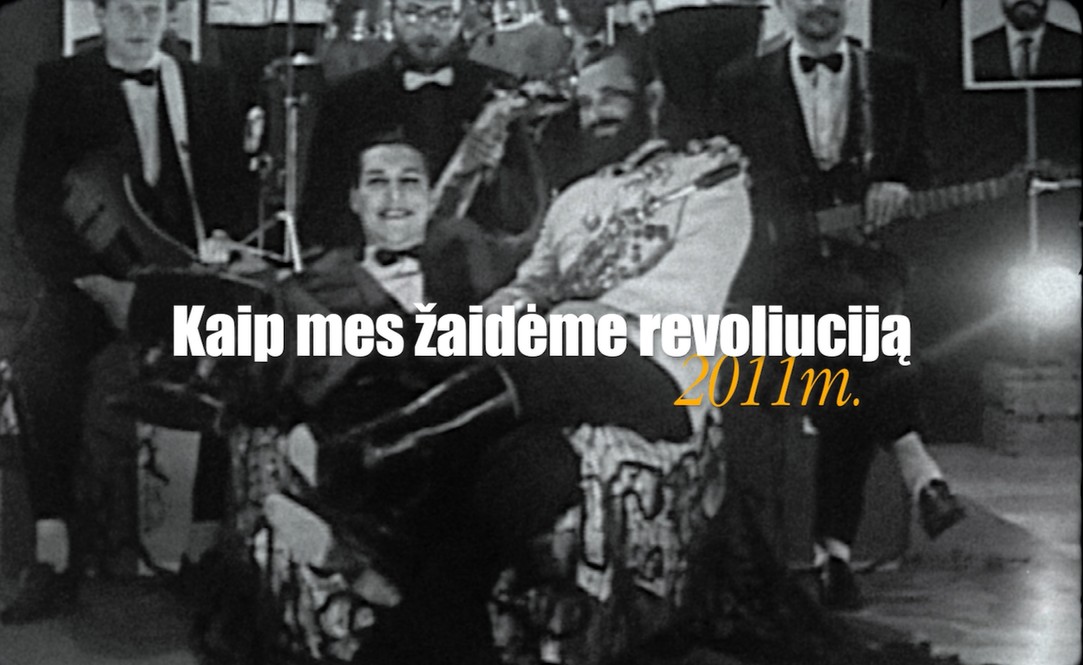
Released in 2011, director Giedrė Žickytė’s documentary “How We Played the Revolution” became one of the most important cinematic reflections on Lithuania’s Awakening period.
Through the story of the legendary band Antis, the film explores not only music, but also the transformation of an entire society – a time when creativity, irony, and artistic protest became a language of freedom.
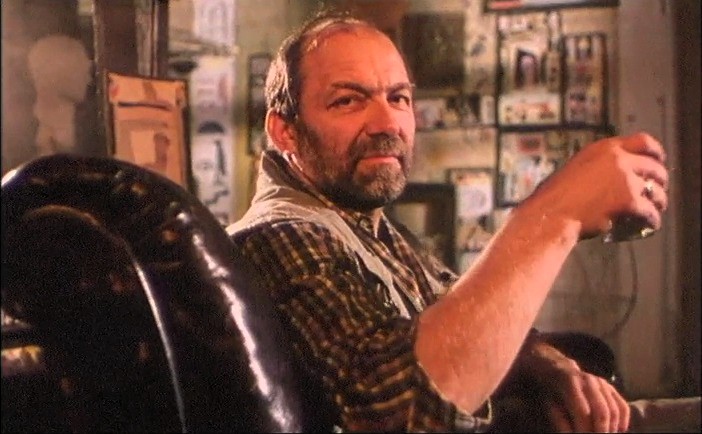
The film’s creative process, its transformation, and the unexpected themes that emerged along the way are discussed by director Giedrė Žickytė, producer Dagnė Vildžiūnaitė, and Antis frontman Algirdas Kaušpėdas. According to the creators, the project began as a film about the band itself, but during production, it became clear that Antis could not be separated from the broader historical context of the Singing Revolution and Lithuania’s independence movement.
During the late 1980s, Antis became a cultural phenomenon that transcended music. As A. Kaušpėdas recalls, people at the time were interested not only in songs, but in the ideas carried within them – the sense of freedom, rebellion, and the desire to live differently. The band’s alternative post-punk and art rock aesthetics evolved into a unique form of protest, allowing people to speak through
metaphor, absurdity, and irony at the end of the Soviet era.
For the filmmakers, it was important not only to reconstruct historical events but also to capture the emotional atmosphere of the time. G. Žickytė explains that for a long time she did not think of herself as making a film about Lithuanian history – otherwise the weight of that responsibility might have become overwhelming. For the director, Antis represented creative freedom: an opportunity to tell the story playfully, surrealistically, and intuitively through personal memory and emotion.
Archival footage plays a central role throughout the film, functioning not as a historical illustration but as a living cinematic language. According to the director, the emotions and faces preserved in the archives reveal the true emotional reality of the period. Rather than following a traditional historical narrative, the film adopts an associative, emotional cinematic approach.
One of the film’s most unexpected creative decisions was to show present-day Algirdas Kaušpėdas only in the final scene. Although many hours of interviews were filmed, the editing process led to the decision to move away from a
conventional protagonist-driven narrative. According to Kaušpėdas, this became one of the film’s greatest strengths – telling the story of a person without constantly showing him on screen.
The production process lasted several years. D. Vildžiūnaitė recalls that a project like this required not only time but also a deep personal connection to the subject. In her view, documentaries that aim to explore broader and more complex themes cannot be rushed – they become long-term life projects.
“How We Played the Revolution” also stood out for its ability to present a complex historical period through an engaging and dynamic cinematic language. The film attracted attention both in Lithuania and internationally, and its relevance has not faded even more than a decade after its premiere. According to the filmmakers, every generation will return to the Awakening period in its own way, yet stories about this era will never lose their significance.
It is a film about a time when art became a political act, and the stage became a place to speak about freedom. About people who, even in difficult circumstances, managed to preserve playfulness, irony, and creative energy. And about cinema that allows history not only to be remembered, but to be felt all over again.